
Why Won't My Furnace Turn On? A Homeowner's Troubleshooting Guide
There’s nothing quite like the feeling of a sudden chill in your home on a cold New Jersey day, only to realize the silence means your furnace isn’t running. It’s a moment that brings immediate stress about comfort, safety, and potential costs. Before you start worrying about a major breakdown, it’s important to know that many common furnace issues have surprisingly simple solutions. As your local HVAC experts serving communities across Middlesex County, we at Fontaine-Repair Heating A/C want to empower you with the knowledge to safely check a few things yourself before making a service call. This guide will walk you through the most common reasons your furnace won't turn on, from easy DIY fixes to signs that it’s time to call in a professional.
Step 1: The Simple Checks You Can Do in 5 Minutes
Before diving into the furnace itself, let's rule out the most frequent culprits. These issues account for a surprising number of service calls and are things any homeowner can safely check.
- Check Your Thermostat: This might seem obvious, but it's the control center of your heating system. First, ensure it's set to “HEAT.” If it is, check that the temperature is set at least 5 degrees higher than the current room temperature to trigger the system. For digital thermostats, dead batteries are a common problem. If the screen is blank or flashing a low battery icon, replacing the batteries could be all it takes to solve the problem.
- Inspect the Circuit Breaker: Your furnace runs on electricity and has its own circuit in your home's electrical panel. Find your breaker box and look for a switch that is in the “OFF” position or in the middle. Flip it completely off and then back on to reset it. If it trips again immediately, do not reset it again—this indicates a more serious electrical issue that requires professional diagnosis.
- Find the Furnace Power Switch: Most furnaces have a power switch that looks like a standard light switch. It's usually located on the side of the furnace unit or on a nearby wall. It's possible this switch was accidentally turned off during other work in the basement or utility closet. Make sure it's in the “ON” position.
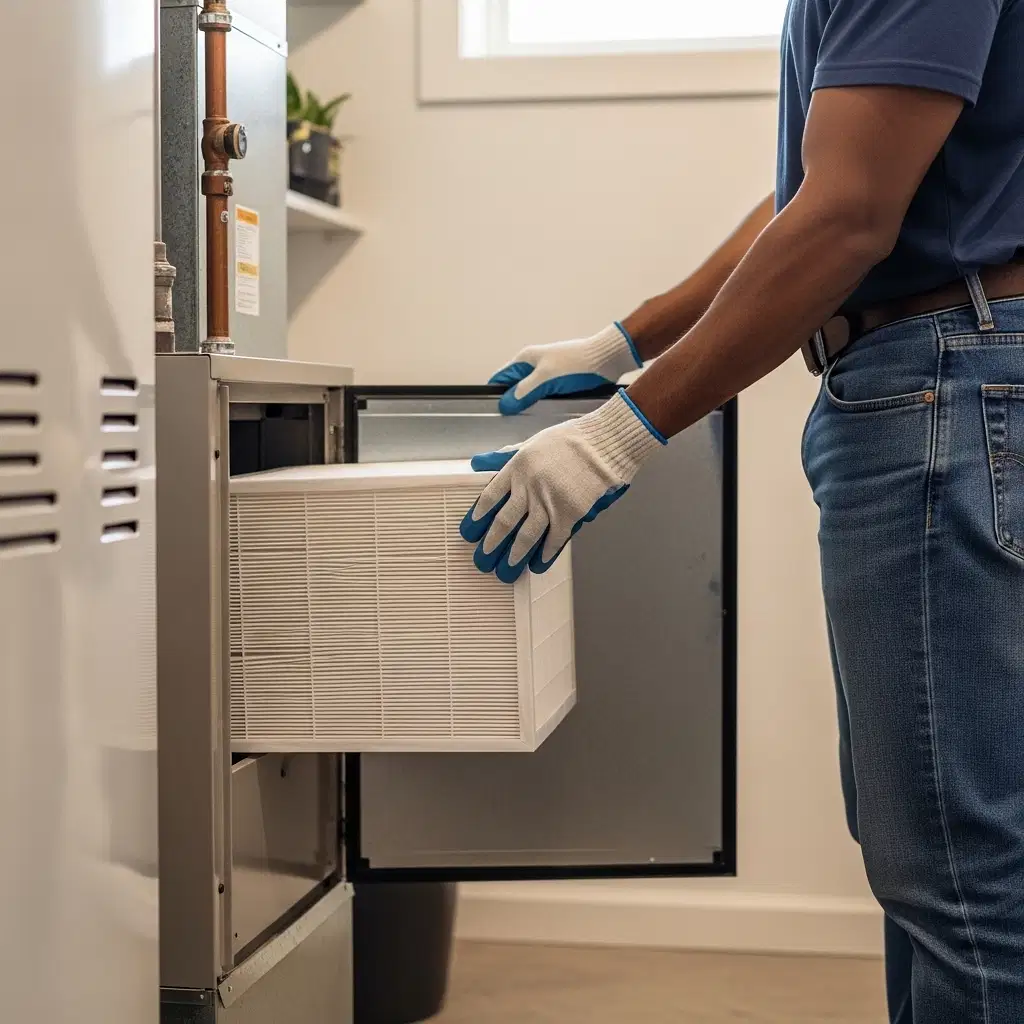
- Look at the Air Filter: A severely clogged air filter can restrict airflow so much that it causes the furnace to overheat and shut down as a safety measure. Pull out your filter and hold it up to a light. If you can't see light through it, it's long overdue for a change. A clean filter is crucial for both system performance and your home's air quality. We recommend checking it monthly and replacing it at least every three months.
Step 2: Investigating the Ignition System
If the basics check out, the problem might be with the furnace's ignition system. How your furnace lights depends on its age. Your safety is the top priority here. If you smell gas at any point, stop what you are doing, leave your home immediately, and call your gas utility company from a safe distance.
- Older Furnaces with a Pilot Light: Many older systems use a small, continuously burning flame called a pilot light to ignite the main burners. If this flame has gone out, the furnace won't start. You can usually see the flame through a small window on the front of the unit. If it's out, your furnace's instruction manual will have directions on how to safely relight it. If you're not comfortable doing this or if the pilot light won't stay lit, it's a sign of a problem with a part called the thermocouple.
- Modern Furnaces with Electronic Ignition: Most newer furnaces use an electronic ignition system. You might hear a series of clicks as the system tries to light, or you might see a component (the hot surface ignitor) glow bright orange. If you hear the clicking but the burners never ignite, or if you don't see a glow at all, the ignitor has likely failed. Troubleshooting these components involves working with electrical parts and is best left to a trained technician.
Step 3: When to Call for Professional Heating Repair
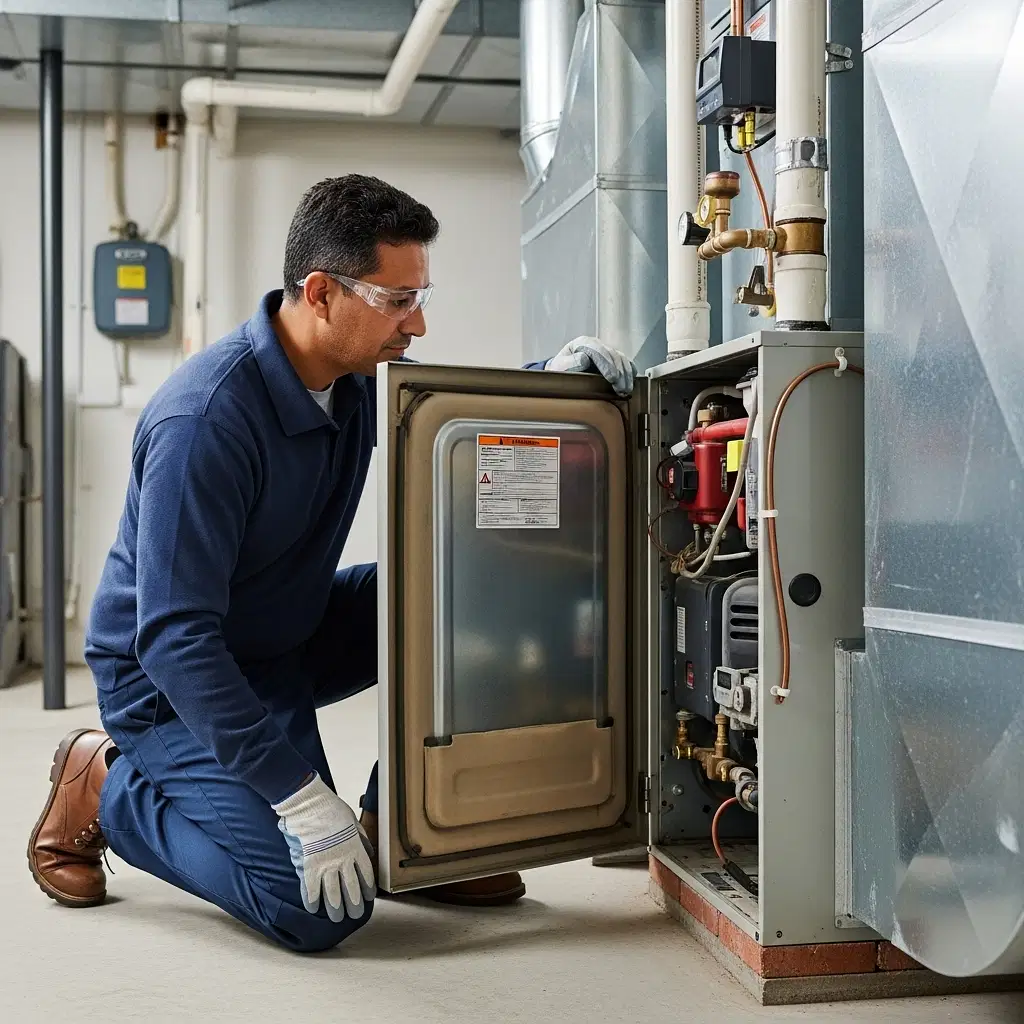
While it's great to solve a problem on your own, many issues require specialized tools and expertise to diagnose and fix safely. It's time to call for professional heating repair if you've tried the simple checks and are still experiencing problems, or if you notice any of these warning signs:
- The Furnace Runs but Blows Cold Air: If the blower is running but the air coming from your vents isn't warm, it could signal a problem with the gas supply, the burners, or a flame sensor.
- Frequent Cycling: Your furnace turns on and off every few minutes without properly heating your home. This is often a sign of an overheating issue or a faulty thermostat.
- Loud or Unusual Noises: Banging, scraping, or high-pitched squealing noises are not normal. These sounds often indicate a mechanical problem with the blower motor or other internal parts that needs immediate attention to prevent further damage.
- Error Codes: Many modern furnaces have a small LED light that will flash in a specific sequence to indicate a particular problem. Your owner's manual can help you decipher the code, but the repair will almost always require a professional.
Ignoring these signs can lead to more extensive and costly damage. A prompt service call can often resolve the issue quickly and restore your home's comfort.
Is It Time for a Replacement?
Sometimes, a furnace that won't turn on is the final sign that your system is nearing the end of its life. If your furnace is over 15 years old, has needed frequent repairs recently, or your energy bills have been steadily climbing, it may be more cost-effective to invest in a new, high-efficiency system. A modern furnace can offer significant savings on your utility bills, provide more consistent and reliable heat, and improve your overall home comfort. Our team can assess your current system and provide an honest evaluation of whether a repair or a full heating installation is the best long-term solution for your home and budget.
Your Trusted Partner for Warmth and Comfort
Dealing with a furnace that won't start is a major inconvenience, but you don't have to face it alone. After running through the simple checks, the safest and fastest way to get your heat back on is to call a trusted professional. At Fontaine-Repair Heating A/C, we are dedicated to providing reliable and transparent residential HVAC services to our neighbors throughout the Middlesex County area. Whether you need an emergency repair or are considering an upgrade to a more efficient system, our certified technicians are ready to help. Contact us today to schedule your service and restore warmth and peace of mind to your home.