
Your Guide to the 2026 HVAC Refrigerant Change: What Every NJ Homeowner Needs to Know
You rely on your air conditioner to provide a cool escape from those famously humid New Jersey summers. But behind the scenes, a significant change is underway in the HVAC industry that will impact every homeowner. The U.S. Environmental Protection Agency (EPA) is phasing out the standard refrigerant, R-410A, used in most modern air conditioners. While 2026 might seem far off, understanding this transition now can save you from future headaches and unexpected costs. At Fontaine-Repair Heating A/C, we believe in empowering our neighbors in Middlesex County with clear, honest information. This guide will walk you through what's changing, why it's happening, and what it means for your home's comfort system.
What is R-410A and Why is it Being Phased Out?
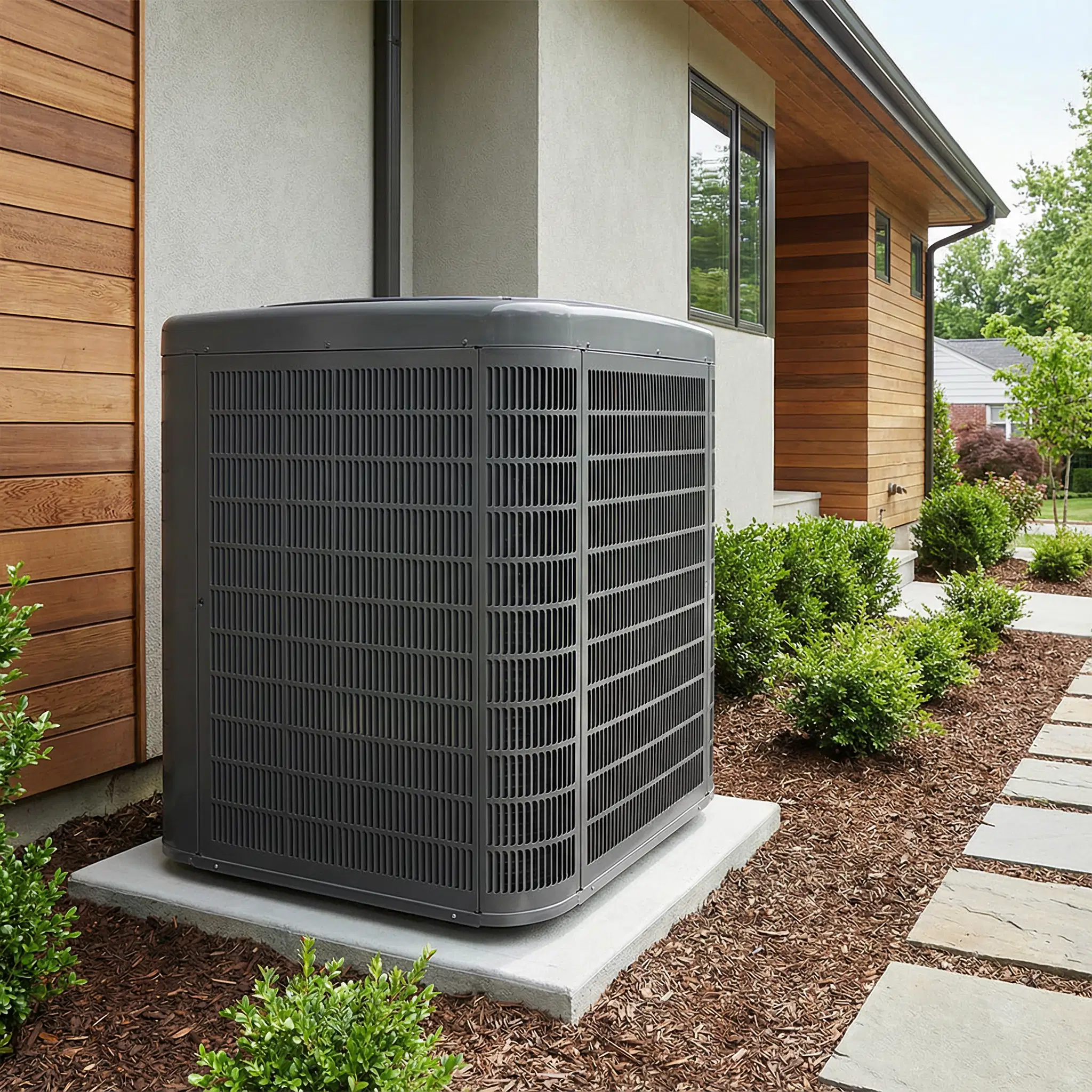
For over two decades, R-410A has been the go-to refrigerant for residential air conditioning systems. It was a major improvement over its predecessor, R-22 (Freon), which was phased out for depleting the ozone layer. However, while R-410A is safer for the ozone, it has a high Global Warming Potential (GWP), meaning it's a potent greenhouse gas that contributes to climate change.
In line with global efforts to reduce climate impact, the EPA's AIM Act mandates a significant reduction in the production and use of high-GWP substances like R-410A. This isn't just a suggestion; it's a regulatory shift that requires HVAC manufacturers to stop producing new systems using R-410A by January 1, 2026. The goal is to transition the entire industry to more environmentally friendly alternatives that are also more energy-efficient.
How This Transition Affects You as a Homeowner
The big question is: what does this mean for the central air conditioning system you currently have? Your course of action depends largely on the age and condition of your unit.
-
If you have a newer system (less than 10 years old): You don't need to panic. Your system will continue to work perfectly fine. For the foreseeable future, R-410A will still be available for repairs and servicing. However, as production winds down, the supply will shrink, and the cost of R-410A will inevitably rise. A minor repair today could become a much more expensive one in the future.
-
If your system is older (10-15+ years): This is where strategic planning becomes crucial. An older AC unit is already less efficient and more prone to breakdowns. If you're facing a major repair, such as a compressor or coil replacement, you'll have a tough decision. Investing a significant amount of money to fix an aging system that uses an obsolete refrigerant may not be the most cost-effective choice in the long run.
-
If you are planning to replace your system soon: You are in a great position. Opting for a new system that uses the next generation of refrigerants ensures your investment is future-proof. You'll not only comply with the new standards but also gain the significant benefits of modern technology.
The Benefits of Upgrading to a Modern System
This regulatory change is actually an opportunity for homeowners to upgrade to a superior comfort solution. The new systems designed for eco-friendly refrigerants like R-454B or R-32 offer compelling advantages that directly address what homeowners care about most: reliability, efficiency, and long-term value.
-
Enhanced Energy Efficiency: New units come with higher SEER2 (Seasonal Energy Efficiency Ratio 2) ratings, a more rigorous standard for measuring efficiency. This translates directly into lower monthly energy bills—a welcome relief for any household budget.
-
Improved Home Comfort: Advanced variable-speed technology in modern systems provides more consistent cooling and better dehumidification. This is a game-changer for tackling our sticky, humid summers, ensuring your home remains a comfortable sanctuary.
-
Environmental Responsibility: By upgrading, you're actively reducing your home's carbon footprint. The new refrigerants have a much lower GWP, making your home greener without sacrificing comfort.
-
Long-Term Peace of Mind: A new residential HVAC system comes with a full manufacturer's warranty and the assurance that parts and refrigerant will be readily available and affordable for years to come. You avoid the stress and escalating costs associated with maintaining an outdated unit.
Your Trusted Partner for the HVAC Transition
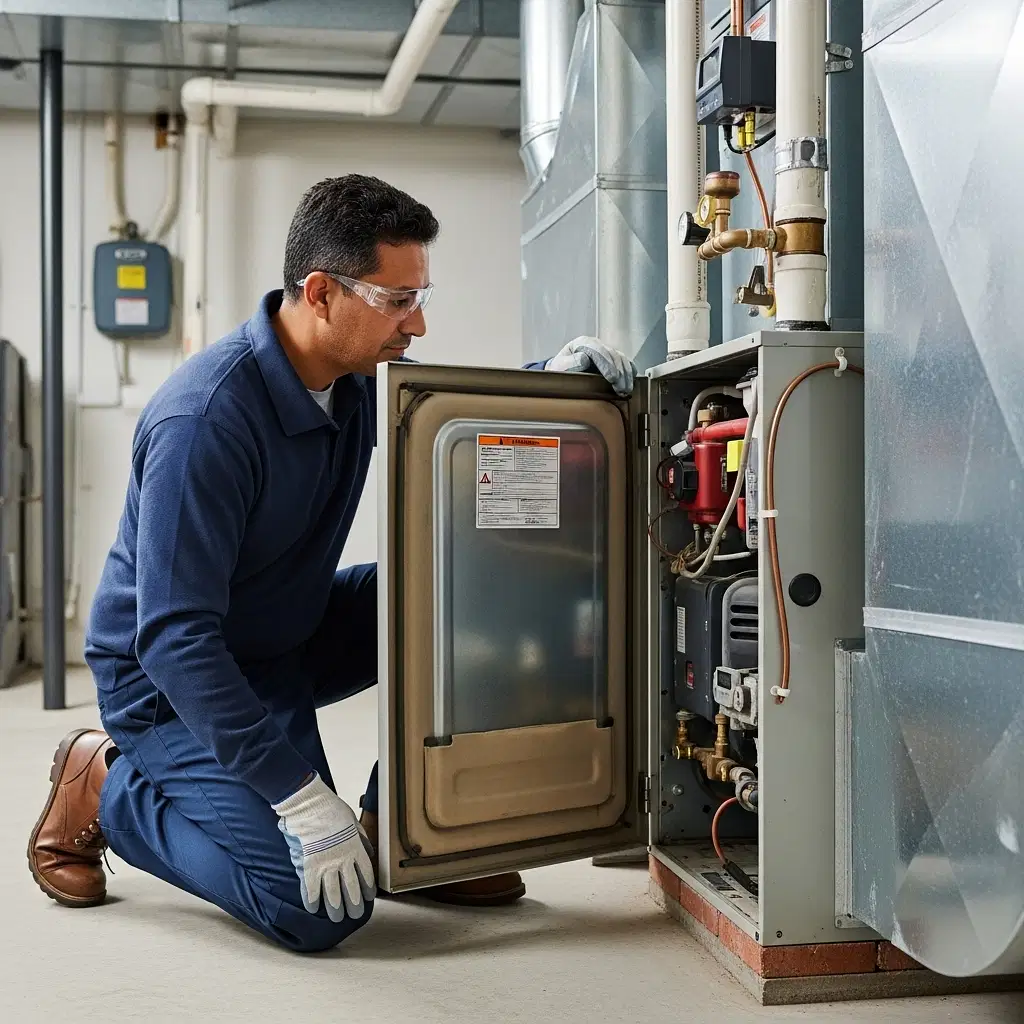
Navigating changes in technology and regulations can feel overwhelming, but you don't have to do it alone. The team at Fontaine-Repair Heating A/C is committed to providing clear, expert guidance to help you make the best decision for your home and budget. We understand the unique needs of homes in our community, from older houses with boiler heat to newer constructions with advanced central air.
Whether you're curious about the new technology, need to assess the health of your current AC, or are considering a full central HVAC installation, we're here to provide honest answers and reliable service. Let us help you prepare for the future of home comfort. Contact the Fontaine-Repair team today to schedule a consultation and ensure your Middlesex County home stays cool and comfortable for years to come. Get in touch with us online or give us a call!