
What to Do When Your AC Won't Turn On After a Power Outage
The power flickers, the lights go out, and your home in Middlesex County suddenly goes quiet during one of our classic humid summers. When the electricity finally kicks back on, you breathe a sigh of relief—until you realize the house is getting warmer. The air conditioner isn't running. Before you panic, take a deep breath. A power outage can trip up even the most reliable AC systems, but the fix is often simpler than you think. At Fontaine-Repair Heating A/C, we want to empower you with the knowledge to safely troubleshoot the issue yourself before you need to make a call. This guide will walk you through the essential steps to get your cool air flowing again.
Step 1: Be Patient and Check the Thermostat
Your first instinct might be to start flipping switches, but the best initial step is to simply wait. Many modern central AC units have a built-in delay or reset function. This feature protects the compressor—the heart of your system—from being damaged by the sudden surge of power when electricity is restored. Give your system a good 5-10 minutes to reset itself before you assume there's a problem.
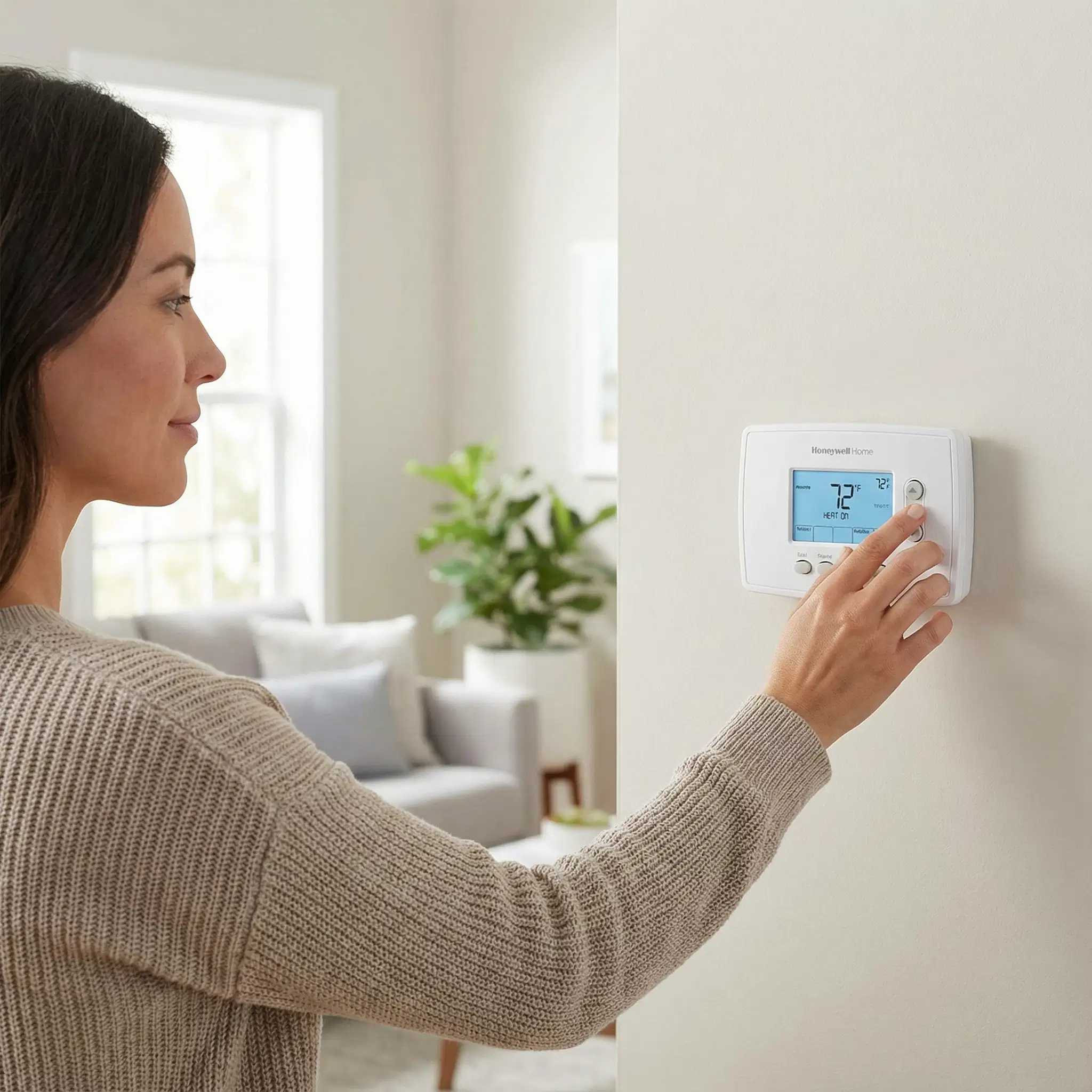
If the AC still hasn't turned on after a short wait, your next stop is the thermostat. A power outage can sometimes scramble its settings or drain its backup batteries.
Here’s what to check:
- Power: Does the thermostat display have power? If it's blank, try replacing the batteries. Even hardwired thermostats often have battery backups that can fail.
- Settings: Ensure the thermostat is set to “Cool.” Sometimes a power surge can reset it to “Off” or “Heat.”
- Temperature: The set temperature must be lower than the current room temperature for the AC to kick on. Lower it by at least 5 degrees and see if you hear the system start up.
Step 2: Inspect Your Circuit Breaker
If the thermostat seems fine but the AC is still silent, the most common culprit is a tripped circuit breaker. Power surges that occur during an outage or upon restoration of power are designed to be stopped at your electrical panel to protect your appliances. Your AC unit is a major appliance and is almost always on a dedicated circuit.
Here’s how to safely check and reset the breaker:
- Locate Your Breaker Box: It's usually in a utility room, basement, garage, or closet.
- Find the Right Breaker: Open the panel door. The breakers should be labeled. Look for one marked “AC,” “Air Conditioner,” “Condenser,” or “HVAC.” Sometimes there are two separate breakers—one for the indoor unit (air handler) and one for the outdoor unit (condenser).
- Check its Position: A tripped breaker will be in the middle position, between “On” and “Off,” or it may be fully in the “Off” position. It might also have a small red or orange window showing.
- Reset the Breaker: To reset it properly, you must first push the switch firmly to the full “Off” position. Then, flip it back to the “On” position. You should feel a solid click.
Important Safety Note: If the breaker trips again immediately after you reset it, do not try to reset it again. This indicates a more serious electrical problem that requires professional diagnosis. Constant tripping can be a fire hazard.
Step 3: Check the Outdoor Unit and Other Switches
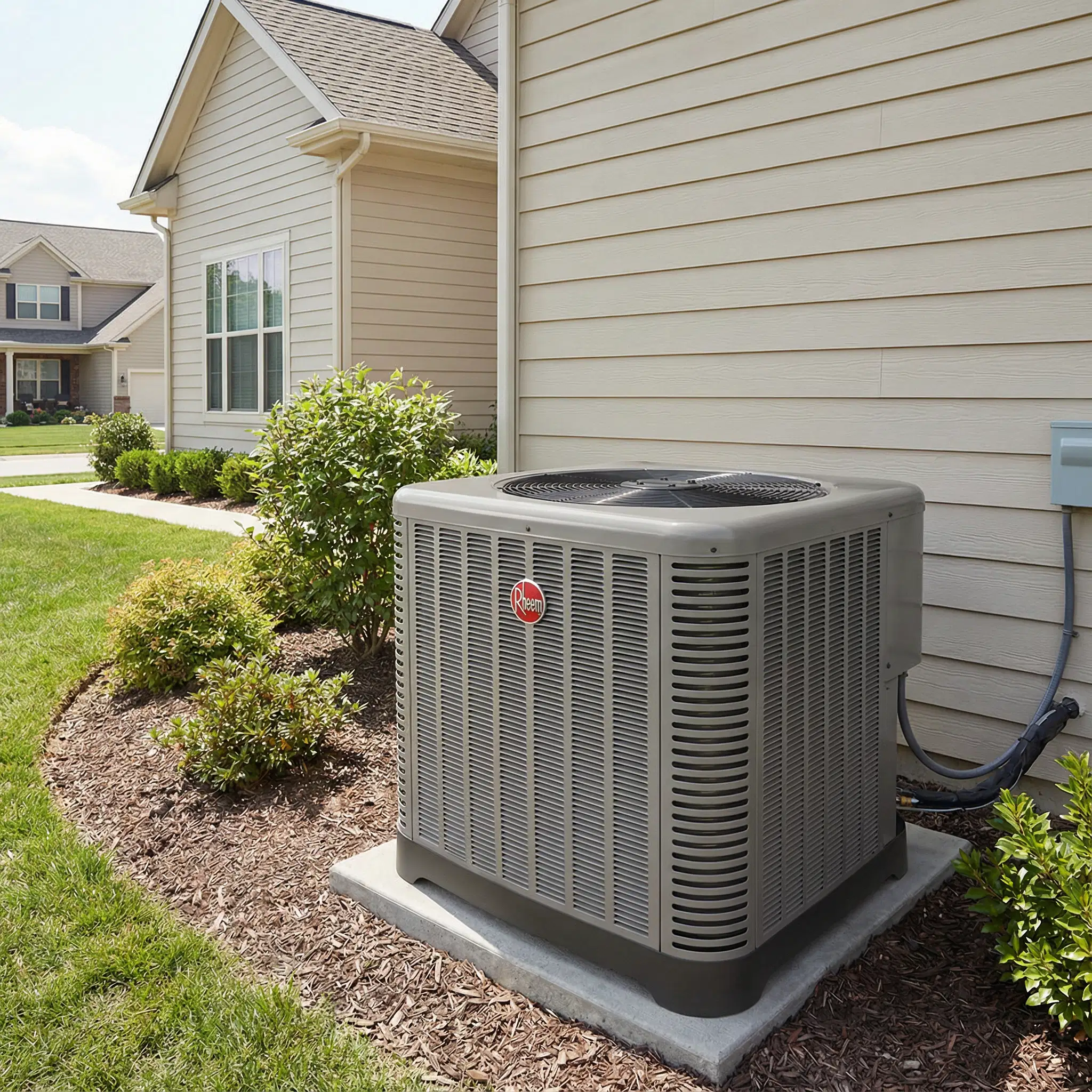
If the breaker wasn't the issue, there are a couple more things to check before calling for help. Head outside to your condenser unit—the large metal box with a fan on top.
- The Disconnect Switch: Near the outdoor unit, there should be a smaller metal box mounted on the side of your house. This is the disconnect or service switch. Open the cover and ensure the switch is in the “On” position. Sometimes these have a pull-out fuse block that needs to be seated firmly in place.
- The Reset Button: Some, but not all, AC units have a small reset button. It's typically red or black and located near the refrigerant lines on the outdoor unit. If you find one, press it once. If nothing happens, don't keep pressing it, as this could cause damage.
- The Condensate Overflow Switch: Your indoor unit (air handler) has a drain line to remove moisture. If this line gets clogged, a safety switch will shut down the entire system to prevent water damage. Check the drain pan near your indoor unit to see if it's full of water. If it is, this is likely your problem and requires professional service to clear the clog safely.
When It's Time to Call the Professionals
You’ve been patient, checked the thermostat, and reset the breaker, but your home is still heating up. At this point, it’s time to call for professional help. Continuing to troubleshoot complex electrical and mechanical systems can be unsafe and may lead to more expensive damage.
Contact an expert for AC repair if you experience any of the following:
- The circuit breaker trips repeatedly.
- Your AC unit is making buzzing, humming, or clanking sounds.
- The system is running, but the air coming from the vents isn't cold.
- You notice a burning smell or see ice forming on the refrigerant lines.
Dealing with a broken AC during our humid summers is a major headache. These simple troubleshooting steps can often get your system back up and running without the need for a service call. But when they don't, Fontaine-Repair Heating A/C is here to help. Our team of certified technicians provides reliable residential HVAC services throughout the Middlesex County area. If you're still stuck in the heat, contact us today for fast, professional service to restore comfort to your home.