
Understanding HVAC Permit Requirements in Central Jersey
If you are gearing up to replace your aging heating or cooling system, you are likely focused on choosing the right equipment, comparing energy efficiency ratings, and figuring out how to keep your home comfortable year-round. But amidst the excitement of upgrading your home, there is one crucial administrative step that often catches homeowners off guard: navigating municipal permits for HVAC replacement.
Whether you live in a historic home with older ductwork or a newer build, replacing major mechanical systems requires strict adherence to local building codes. For residents here in Central Jersey, understanding these requirements is essential not just for staying on the right side of the law, but for ensuring the safety, efficiency, and longevity of your new investment. Let's break down exactly what you need to know about permits, licensing, and why doing it by the book is always your best bet.
Do I Need a Permit for AC Replacement or Heating Upgrades?
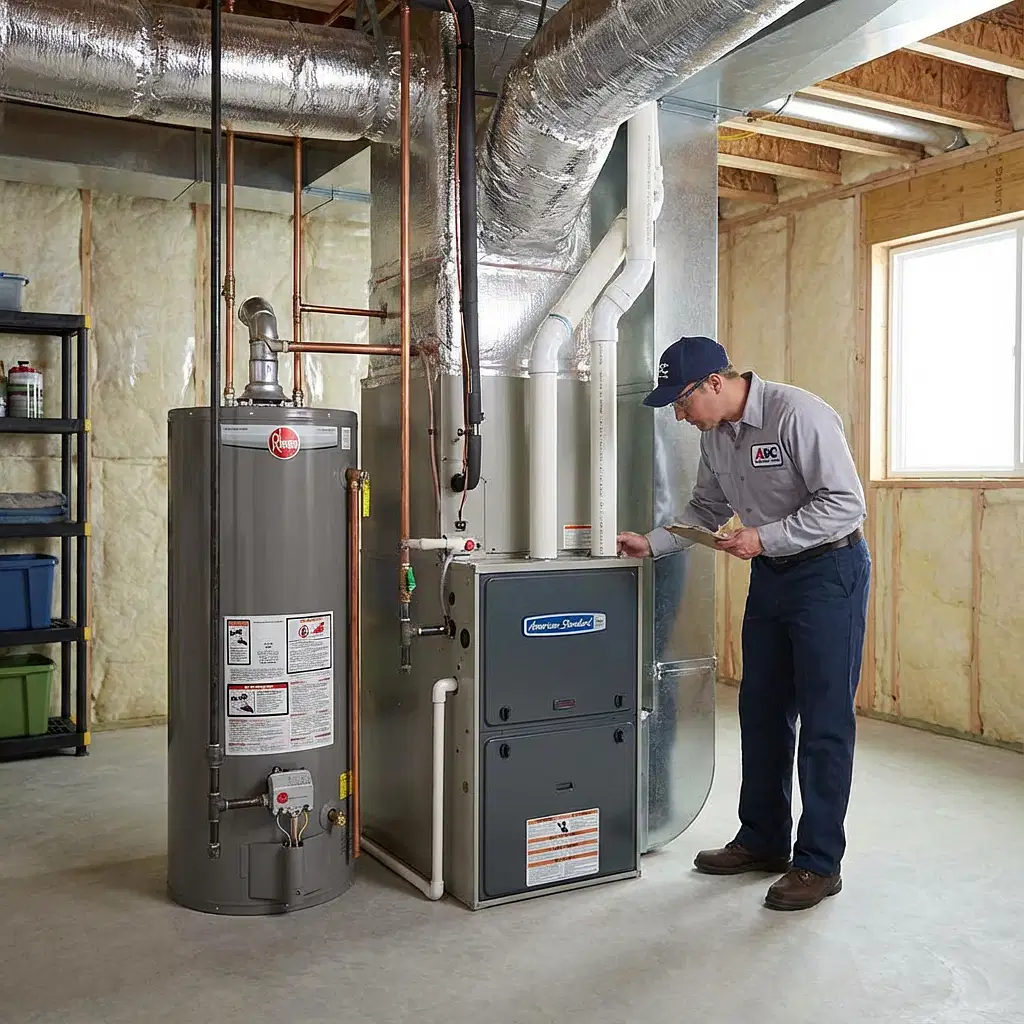
One of the most common questions we hear from homeowners is whether they actually need a permit just to swap out an old unit. The short answer is almost always yes. In New Jersey, replacing a furnace, boiler, or central air system is considered a major home modification that directly impacts your electrical, plumbing, and gas lines.
Municipalities require permits to ensure that the equipment is installed safely and up to current building codes. This is especially critical right now. The HVAC industry is undergoing significant regulatory changes, including the EPA's mandated transition to new, low-GWP refrigerants like R-454B. These new systems operate differently than the older R-410A units, and proper installation is non-negotiable for safety and performance.
When you invest in central HVAC installations, the permit process triggers a final inspection by a town official. This third-party verification gives you peace of mind that your system was installed correctly, your gas lines are secure, and your electrical connections are safe. Skipping this step to save a few dollars upfront can lead to massive headaches down the road, particularly if you ever decide to sell your home and the buyer's inspector asks to see the permit history.

Hiring Licensed vs Unlicensed HVAC Contractors
When faced with the high upfront costs of energy-efficient systems, it can be tempting to look for cheaper alternatives. You might find a local handyman or an uncertified contractor offering a significantly lower price for the installation. However, this is where understanding NJ HVAC licensing laws for homeowners becomes incredibly important.
In New Jersey, only a licensed Master HVACR contractor is legally permitted to pull the necessary municipal permits for your installation. Unlicensed contractors cannot pull these permits, which is why they often suggest skipping the process entirely. This puts all the liability squarely on your shoulders.
Choosing to work with an unlicensed installer carries severe risks. First, if the installation is done incorrectly and causes property damage—such as a fire from faulty wiring or water damage from a poorly installed condensate line—your homeowners insurance may deny the claim because the work was unpermitted and performed by an unlicensed individual. Second, almost all major HVAC manufacturers require proof of professional, licensed installation to honor their equipment warranties. If your new system breaks down a year later, you could be left paying out of pocket for repairs.
For reliable residential HVAC services, partnering with a licensed, insured, and NATE-certified team ensures that your installation is done right, fully permitted, and completely protected.
Financial Incentives and Commercial Considerations
Doing things by the book doesn't just protect you from risk; it can actually save you money. New Jersey has aggressive decarbonization goals, and the state heavily incentivizes homeowners to upgrade to high-efficiency systems. Through the NJ Clean Energy Program, you can access substantial rebates for installing eco-friendly heat pumps and energy-efficient air conditioning systems. Furthermore, the federal Inflation Reduction Act offers significant tax credits for qualifying upgrades.
Here is the catch: to claim any of these state rebates or federal tax credits, you must provide proof that the system was installed by a licensed contractor and that all municipal permits were properly filed and closed. If you skip the permit, you forfeit thousands of dollars in potential savings, completely negating any discount you might have gotten from an unlicensed installer.
These rules apply just as strictly, if not more so, to businesses. If you manage a property or operate a facility along The Turnpike, local code enforcement is incredibly vigilant. Upgrading commercial HVAC systems requires comprehensive permitting to ensure public safety, proper ventilation, and compliance with commercial energy codes. A failed inspection or unpermitted work on a commercial property can result in heavy fines and forced business closures until the issues are rectified.
Doing It Right the First Time
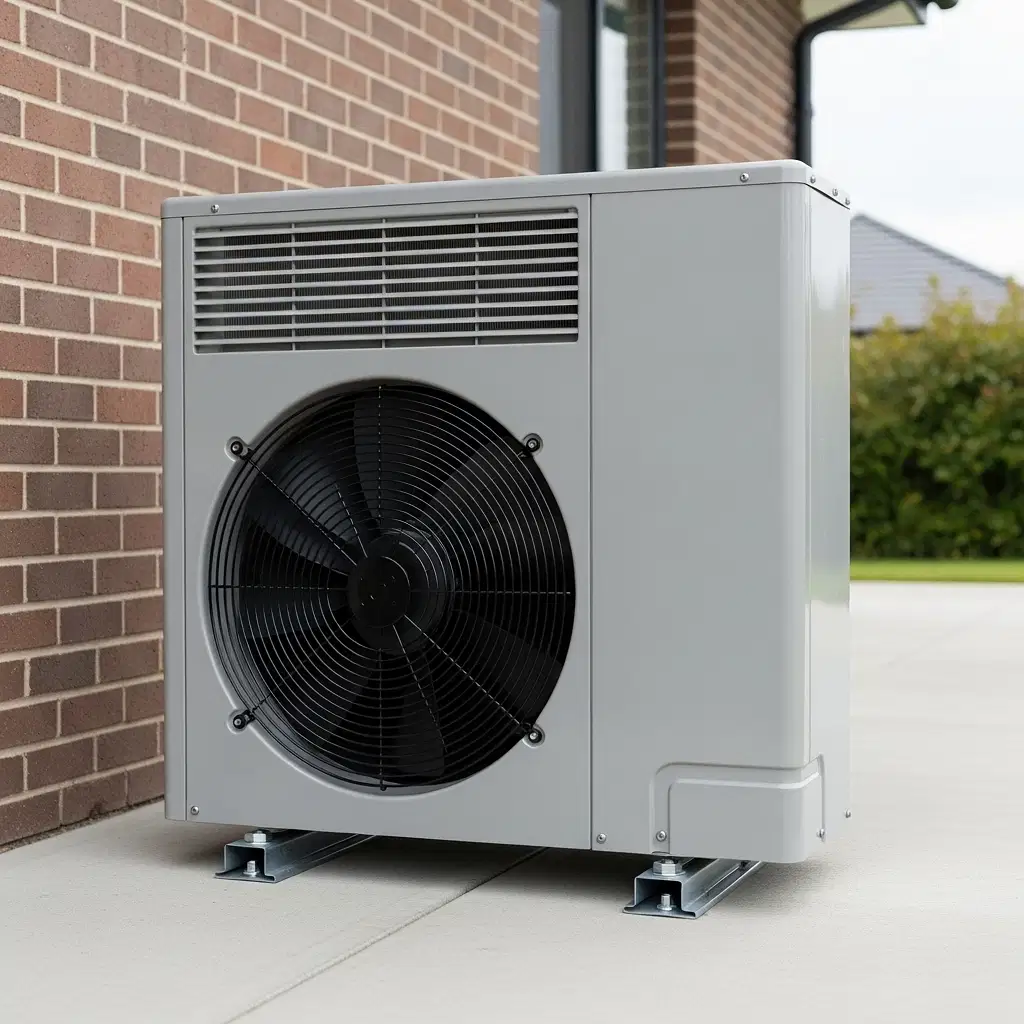
Navigating local building codes and permit applications might seem daunting, but you do not have to do it alone. A reputable, professional contractor will handle the entire permitting process for you, from submitting the initial paperwork to scheduling the final municipal inspection. They will provide transparent, upfront pricing that includes the cost of the permits, so there are no hidden surprises.
At Fontaine-Repair Heating A/C, we pride ourselves on doing things the right way. We understand the unique climate challenges of the Raritan Valley and are committed to providing our community with safe, efficient, and fully compliant heating and cooling solutions. We handle the red tape so you can focus on enjoying a comfortable home.
If you are ready to upgrade your system and want to ensure the job is done safely, legally, and efficiently, reach out to our team today. Visit our contact us page to schedule a consultation, and let us help you navigate your next home comfort investment with confidence.