
The Complete Guide to Calculating Proper HVAC System Sizing
Living in Central Jersey means we get to experience the full spectrum of extreme seasonal fluctuations. From sweltering, humid summer afternoons to bone-chilling winter nights, your home's heating and cooling system works tirelessly to keep your family comfortable. When it finally comes time for an upgrade or a replacement, one of the most common questions we hear at Fontaine-Repair Heating A/C is: "What size HVAC unit does my house need?"
It is incredibly tempting to simply look at the label on your old unit and order the exact same size. However, homes change over time. You might have added new energy-efficient windows, upgraded your insulation, or put on a new addition. Choosing the right size heating and cooling unit is arguably the single most important step in the entire installation process. It impacts everything from your daily indoor comfort to how you can lower your heating and cooling bills over the lifespan of the equipment.
In this guide, we are going to walk through how professionals determine the exact capacity your home requires. We will explain the dangers of guessing, what a Manual J load calculation is, and how getting the math right protects your investment from premature wear and tear.
The Dangers of Incorrect HVAC Sizing
A common misconception is that bigger is always better when it comes to climate control. Many homeowners assume that a larger capacity unit will cool or heat their house faster and therefore be more efficient. Unfortunately, this could not be further from the truth. Understanding the signs an hvac system is oversized can save you from years of discomfort and high utility costs.
When a unit is too large for your square footage, it goes through a process called short cycling. The system blasts the house with conditioned air, reaches the set temperature rapidly, and shuts off. Because it does not run long enough, it fails to properly dehumidify the air. This leaves your home feeling cold and clammy in the summer, and the constant turning on and off puts immense strain on the compressor, drastically reducing how long a typical HVAC system lasts. If you have ever wondered why your air conditioner is running but not cooling the house comfortably, an oversized system failing to remove humidity is often the culprit.
Conversely, an undersized system will run constantly as it struggles to keep up with the extreme demand spikes during our peak summer and winter months. This continuous operation leads to astronomical energy bills, uneven temperatures throughout your home, and inevitable mechanical failures. With fluctuating equipment costs and tight household budgets, replacing a burnt-out system prematurely is a financial burden no homeowner wants to face.
Manual J Load Calculation Explained
So, how do the professionals figure out exactly what your home needs? The gold standard in the industry is the Manual J load calculation. If you are researching how to calculate hvac tonnage needed, you will quickly discover that it is a complex mathematical formula rather than a simple rule of thumb based only on square footage.
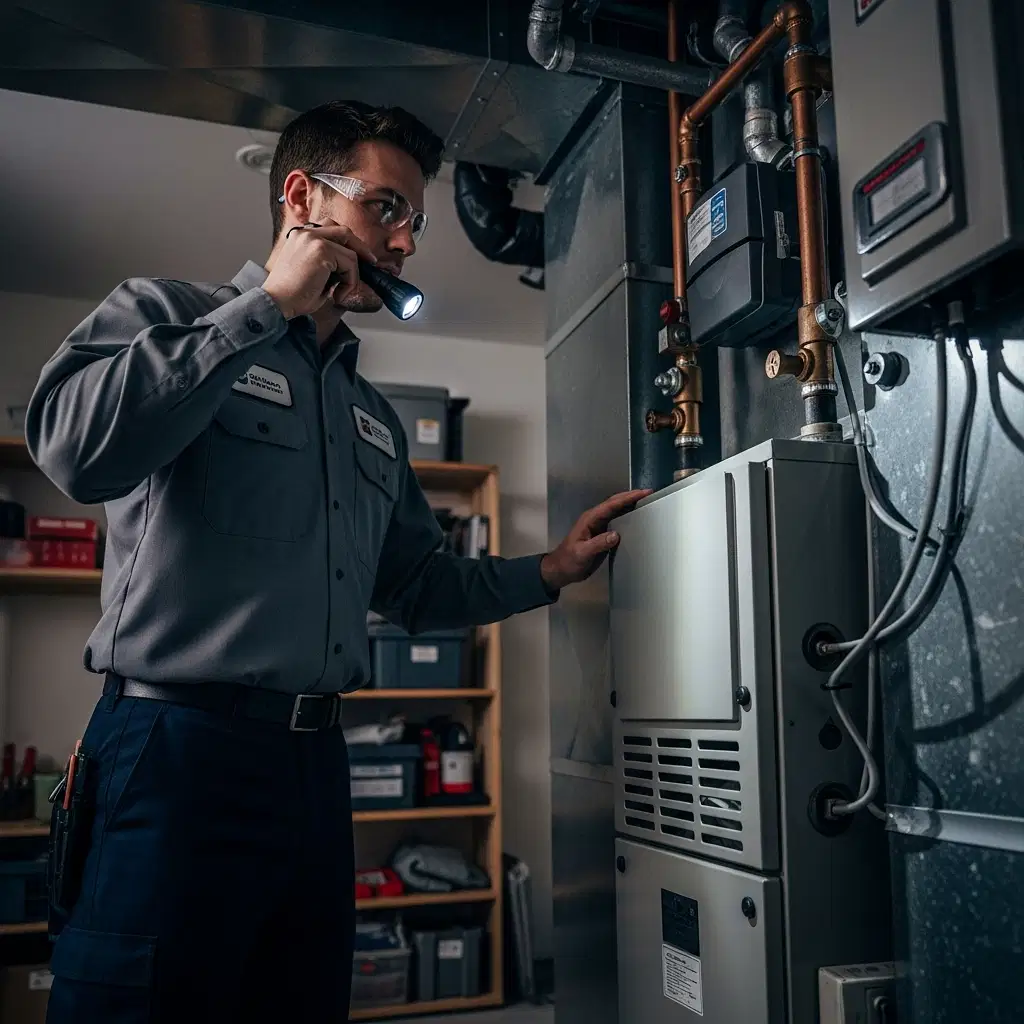
During a Manual J calculation, a certified technician evaluates several critical factors about your specific property. We look at the total square footage, the height of your ceilings, and the layout of your rooms. But we also dig much deeper. We assess the quality and R-value of your insulation, the type and number of windows, and even the direction your home faces. A living room with massive bay windows facing the afternoon sun will have a significantly higher cooling load than a shaded, north-facing bedroom.
This comprehensive evaluation ensures that your system is tailored perfectly to your home's unique thermal envelope. By factoring in everything from local climate data to the heat generated by the occupants and appliances inside the house, we eliminate the guesswork. This precision is especially crucial today, as the industry shifts toward highly advanced, energy-efficient smart systems that require exact calibration to operate at peak performance.
Partnering with Professionals for Your Installation
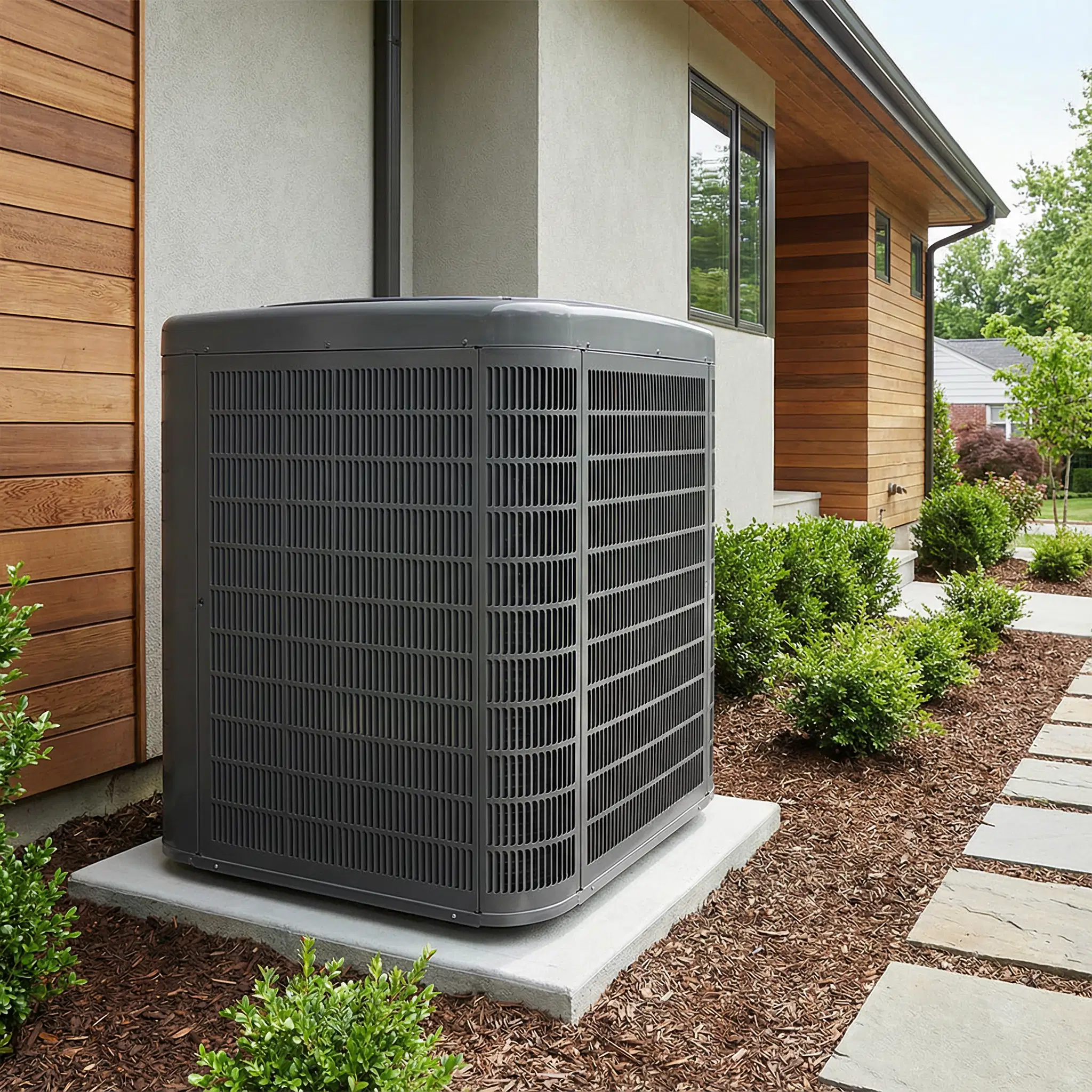
Attempting to size a system on your own can lead to costly mistakes. Furthermore, many of the modern, eco-friendly heat pumps and systems that qualify for federal tax credits or rebates require professional installation and precise load calculations to meet compliance standards. By trusting licensed, bonded, and insured experts, you guarantee that your home's infrastructure is handled with the utmost care and professionalism.
Customers frequently ask us how much a new HVAC system costs to install. The truth is, the cost varies widely based on the results of the Manual J calculation, the efficiency rating of the unit you choose, and any modifications needed for your ductwork. However, investing in the properly sized equipment upfront ensures transparent, manageable costs over the long term. You will benefit from lower monthly utility bills, fewer emergency breakdowns, and a significantly longer lifespan for your equipment.
Whether you need a complete overhaul or are looking to upgrade a specific component, our skilled technicians are here to help. At Fontaine-Repair Heating A/C, we pride ourselves on providing the Hillsborough Township community with accurate, honest assessments and top-tier workmanship.
If you are ready to explore your options, learn more about our central-hvac-installations and see how we can bring ultimate comfort to your home. We also specialize in targeted heating-installation for those brutal winter months, and seamless ac-installation to keep you perfectly chilled all summer long. Contact us today to schedule your comprehensive home evaluation and ensure your next system is the perfect fit.