
Signs Your Home Has Leaking Ductwork
When the weather turns extreme in Central Jersey, your home should be your ultimate sanctuary. Whether we are facing the humid, sweltering days of July or the freezing winter nights that make you want to stay indoors, your heating and cooling system works overtime to keep your family comfortable. However, what happens when your system is running constantly, but your home still feels drafty or improperly heated? You might be dealing with a hidden issue that many homeowners overlook: leaking ductwork.
Your air ducts act as the respiratory system of your house, carrying conditioned air from your equipment to every room. When there are tears, disconnections, or degraded seals in these pathways, that carefully heated or cooled air escapes into your attic, basement, or within your walls before it ever reaches your living spaces. Not only does this compromise your indoor comfort, but it also forces your equipment to work much harder than necessary. This leads to higher utility bills, unnecessary wear and tear, and eventually, the need for premature hvac repair.
At Fontaine-Repair Heating A/C, we believe in empowering our community with the knowledge to maintain efficient, healthy homes. Let us explore the telltale indicators of compromised ducts, how you can spot them, and why addressing them is vital for both your wallet and your indoor air quality.
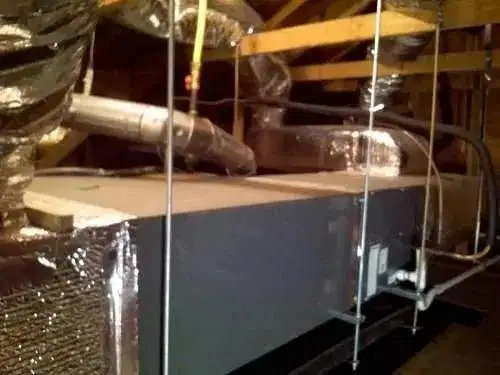
The True Cost of Hidden Air Leaks
Many homeowners ask us, does sealing ductwork improve heating efficiency? The answer is a resounding yes. According to energy experts, typical homes can lose up to 30 percent of their conditioned air through leaks, holes, and poorly connected ducts. This is a staggering amount of wasted energy. With rising equipment costs and changing regulations regarding refrigerants and energy efficiency mandates, maximizing the lifespan and efficiency of your current setup has never been more important.
When your system loses pressure due to leaks, it has to run longer cycles to reach the temperature set on your thermostat. This constant running drives up your monthly energy bills and puts excessive strain on blower motors and heat exchangers. Over time, this strain can transform what should be routine maintenance into costly emergency situations. Furthermore, poorly sealed ducts do not just let air out; they also pull unconditioned air in. This means dust, insulation particles, and humidity from your crawlspaces can be drawn directly into your home's air supply, drastically reducing your indoor air quality.
Common Signs of Air Leaks in Heating Ducts
Identifying duct issues early can save you from a season of discomfort. While some leaks are hidden behind drywall, your house will usually give you clues that something is wrong. Here are the most frequent signs of air leaks in heating ducts to watch out for:
Unexplained Spikes in Energy Bills If you have not significantly changed your thermostat settings but your utility costs have skyrocketed compared to the same month last year, escaping air is a prime suspect. When a large percentage of your conditioned air is lost, your system consumes far more electricity or gas to compensate.
Uneven Temperatures Throughout the House Do you have a bedroom that feels like an icebox while the living room is perfectly comfortable? Or perhaps your house feels completely chilled again before you can even make a quick Wawa run? Uneven heating or cooling is often caused by a breach in the duct line feeding that specific area, preventing adequate airflow from reaching the room.
Excessive Dust Accumulation If you find yourself dusting your furniture constantly despite regular cleaning, your ductwork might be pulling in dirty air from your attic or basement and distributing it through your vents. This is a significant indoor air quality concern, especially for family members with allergies.
Visible Issues with Flexible Ducts In many local homes, flexible ducting is used in hard-to-reach areas. Damaged flexible air duct symptoms include visible sagging, sharp kinks, or torn outer insulation jackets. If the plastic exterior is degrading or ripped, the inner lining is likely compromised as well.

How to Find Leaks in Home Ductwork
While a comprehensive evaluation requires professional diagnostics, there are several steps you can take to perform a preliminary check of your accessible ductwork. Knowing how to find leaks in home ductwork can help you determine when it is time to call in the professionals.
Start by turning your hvac system on so that air is actively flowing through the vents. Take a walk through your basement, attic, or crawlspace where the metal or flexible tubes are exposed. Run your hand slowly along the joints, seams, and connections. If you feel a breeze blowing against your skin, you have found a leak.
You can also use the incense test. Light a stick of incense and hold it near the duct joints. If the smoke is blown away from the metal or sucked inside, you have identified a breach in the seal. Additionally, listen closely as you inspect. Whistling or hissing sounds often indicate air being forced through a small hole or narrow crack.
Look for visual clues like old, peeling duct tape. Despite its name, standard cloth duct tape is actually terrible for sealing air ducts because the adhesive dries out and fails rapidly due to temperature fluctuations. Look for dark, dusty streaks around joints; this dirt accumulation is a clear sign that air has been escaping and leaving behind particulate matter.
Restoring Your Home's Efficiency
If you have noticed any of these warning signs, it is highly recommended to have your system evaluated by licensed and background-checked technicians. Attempting to seal extensive ductwork with store-bought tape is usually only a temporary band-aid. Professional hvac services utilize specialized mastics, metallic foil tapes, and advanced sealing technologies to ensure permanent, airtight connections that meet current energy efficiency standards.
Investing in proper duct sealing not only lowers your monthly heating and cooling bills but also extends the life of your equipment and dramatically improves the air you breathe every day. With the current availability of federal tax credits and flexible financing options for energy-efficient upgrades, optimizing your entire system makes profound financial sense.
If you suspect you are losing valuable conditioned air, the team at Fontaine-Repair Heating A/C is ready to help. As a locally trusted provider based right here in Hillsborough Township, we specialize in comprehensive residential hvac solutions, including expert hvac duct & vent repair and installation. We offer transparent, upfront pricing and fast response times to restore your home's comfort. Please contact us today to schedule a thorough evaluation of your home's ductwork.