
Converting From Oil Heat in Central Jersey: A Homeowner's Guide
If you live in an older home, you are likely familiar with the distinct rumble of an oil furnace kicking on during a cold winter night. For decades, oil heat was the standard for keeping homes warm. However, with fluctuating fuel prices, environmental concerns, and incredible advancements in HVAC technology, many homeowners are looking for better alternatives. If you are considering converting from oil heat in Central Jersey, you are not alone.
The decision to upgrade your heating system is a significant one. It involves weighing the upfront costs against long-term energy savings, understanding the available technology, and navigating local regulations. Whether you are tired of scheduling oil deliveries or simply want a more energy-efficient home, this guide will walk you through the options, the process, and the financial incentives available to help you make the switch.
Why Move Away from Oil Heat?
Older oil heating systems, especially those relying on aging radiators and steam heat, can be incredibly inefficient. Not only do they require regular fuel deliveries that leave you vulnerable to market price spikes, but they also demand more intensive maintenance to keep them running safely.
Furthermore, the HVAC industry is undergoing a massive shift. With the state's push toward decarbonization and the phase-out of older refrigerants, the focus is heavily on energy efficiency. Upgrading your system now not only improves your daily comfort but also aligns your home with modern energy standards, potentially increasing your property value.
When moving away from oil, homeowners typically choose between two main paths: converting to natural gas or upgrading to an electric heat pump.
Option 1: The Natural Gas Route
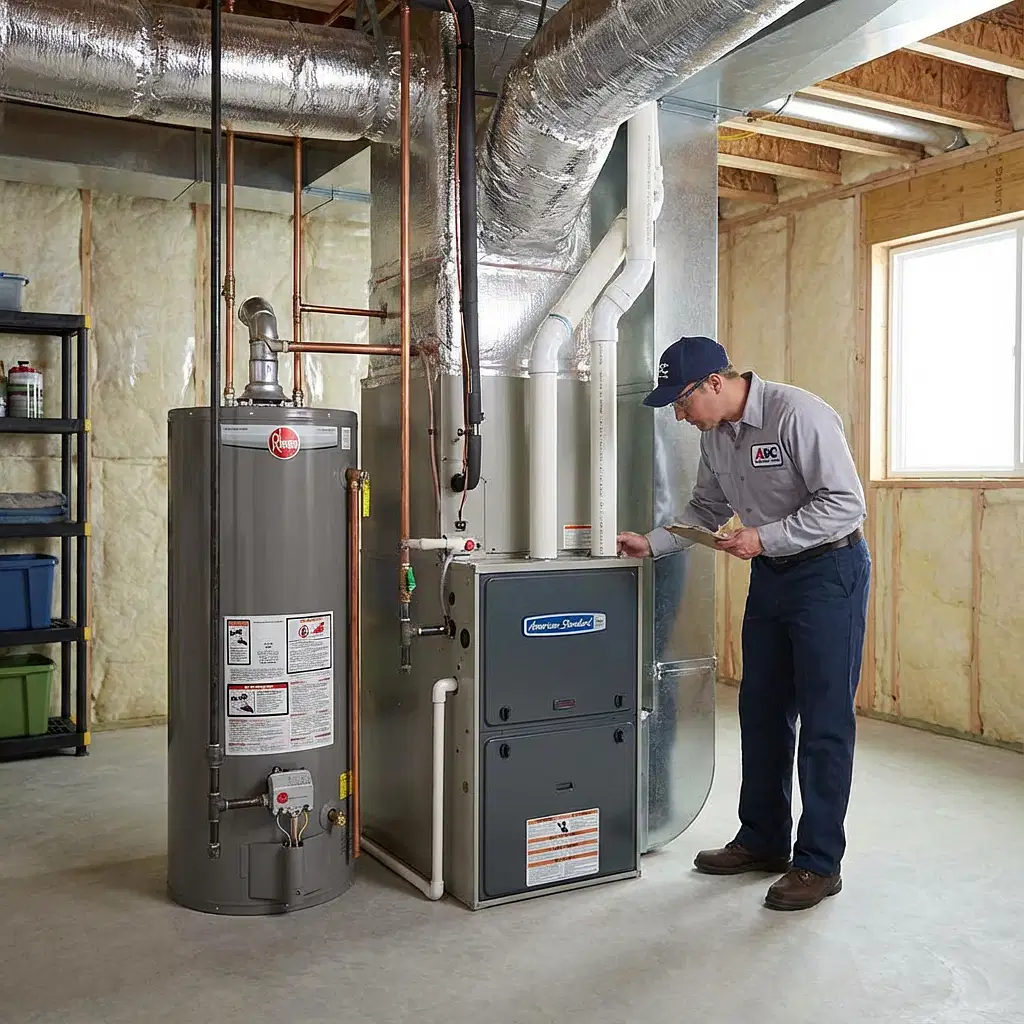
For many, the oil to natural gas conversion process feels like the most straightforward step. If your street already has a gas line, connecting to it and installing a new gas furnace can provide reliable, consistent heat. Natural gas tends to burn cleaner than oil and eliminates the need for a bulky storage tank in your basement or yard.
When evaluating a heat pump vs furnace NJ climate comparison, natural gas furnaces are often praised for their ability to deliver high-heat output quickly during the most brutal winter freezes. If you decide this is the right path for your home, professional heating installation is crucial. A licensed technician will ensure the new system is properly sized for your home and that all municipal permits are handled correctly, keeping you fully compliant with local safety regulations.
Option 2: Embracing the Future with Electric Heat Pumps
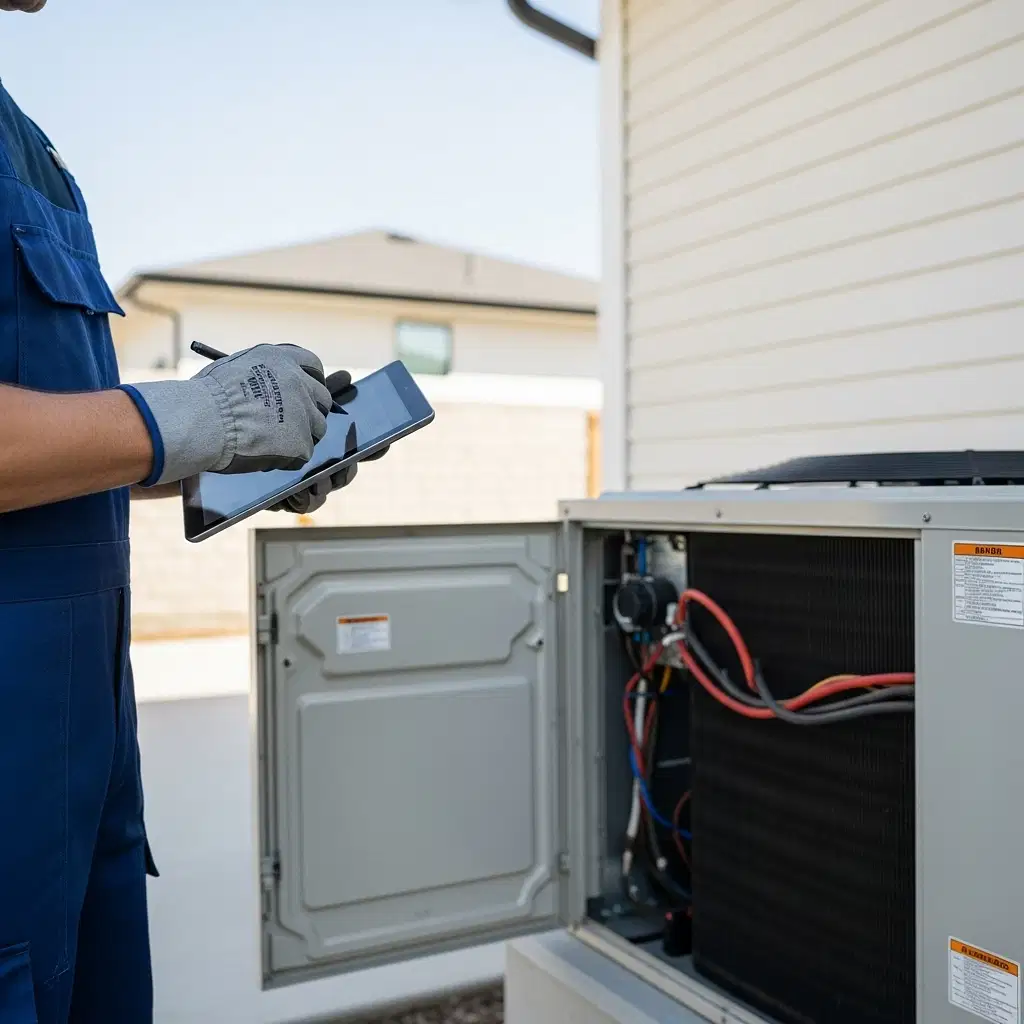
The most significant trend in home heating right now is replacing an oil furnace with an electric heat pump. Unlike traditional furnaces that generate heat by burning fuel, heat pumps transfer heat from the outside air into your home. Modern cold-climate heat pumps are incredibly advanced and can efficiently heat your home even when temperatures drop well below freezing.
The energy savings converting from oil heat to a high-efficiency heat pump can be substantial. Because they move heat rather than create it, they use significantly less energy. As a bonus, a heat pump works in reverse during the summer, providing excellent cooling and acting as a highly effective central air system. This dual functionality makes heat pumps an incredibly smart investment for year-round comfort.
Navigating the Costs and Rebates
One of the biggest hurdles homeowners face when upgrading their HVAC system is the initial financial investment. High upfront costs can be daunting. However, because of the strong push for energy efficiency, there has never been a better time to upgrade.
Through the NJ Clean Energy Program and federal Inflation Reduction Act tax credits, homeowners can access significant rebates and incentives for installing high-efficiency electric systems. These financial incentives are designed specifically to offset the initial costs, making the transition much more affordable for families living along the Edison/Woodbridge corridor and surrounding areas.

The Installation Process: What to Expect
Whether you choose natural gas or an electric heat pump, the installation process requires careful planning and expert execution. Removing an old oil tank—especially if it is buried—must be done according to strict environmental regulations.
Once the old equipment is safely removed, the focus shifts to integrating your new system. For homes undergoing complete central HVAC installations, this might involve modifying existing ductwork to ensure optimal airflow and efficiency. A reputable contractor will provide transparent, upfront pricing with no hidden fees, so you know exactly what to expect before the work begins. They will also handle the necessary municipal permits, ensuring the entire project is up to code.
Ready to Upgrade Your Home's Comfort?
Moving away from oil heat is a fantastic way to lower your utility bills, reduce your carbon footprint, and enjoy a more comfortable home. Whether you are interested in the reliability of natural gas or the cutting-edge efficiency of a new heat pump, having a trusted local expert by your side makes all the difference.
At Fontaine-Repair Heating A/C, we specialize in helping Middlesex County homeowners navigate these major upgrades. Our licensed technicians are here to answer your questions, help you claim available rebates, and provide top-tier installation services. If you are ready to explore your options and say goodbye to oil deliveries, reach out to us today through our contact us page to schedule a consultation.